CCTV Drain Survey Crystal Palace
Covering postcodes: SE19
Need a drain survey in Crystal Palace?
London drainage specialists with same-day availability. WRC-standard report within 24 hours.
· Crystal Palace, London
CCTV Drain Surveys in Crystal Palace
Crystal Palace occupies one of the most dramatically elevated positions in London — the SE19 area sits on the prominent ridge that rises above the south London suburbs, where the Victorian Crystal Palace once stood overlooking the capital. This elevation is what defines Crystal Palace as a residential area, and it directly shapes the drainage challenges beneath its Victorian and Edwardian properties.
CCTV drain surveys in Crystal Palace use high-definition cameras to inspect drain runs from property connections to the public sewer boundary. WRC-graded condition reports are delivered within 24 hours. Request a free quote online.
The Elevation and Drainage Relationship
At over 110 metres above sea level in the highest parts of SE19, Crystal Palace is one of the highest residential areas in London. Properties on the ridge itself — around the Crystal Palace triangle and towards Upper Norwood — have drain runs that descend steeply from the ridge down to public sewer connections in the valley streets below.
These steep drain runs create gradient-related drainage problems that are specific to elevated south London properties and relatively uncommon in flat inner London. High-velocity flows in steep clay pipe sections cause progressive invert erosion over decades. At gradient transition points — where a steep run connects to a shallower collecting sewer — the sudden velocity drop causes silt deposition. These accumulation points can build towards blockage over years, creating slow drainage that gets progressively worse without any obvious cause from the surface.
London clay on a hillside behaves differently to clay on flat ground. Hillside clay is subject to lateral creep — slow downslope movement over time — which applies progressive lateral stress to drain pipes and can cause not just joint displacement but actual pipe deflection over decades of movement. Backfall sections in SE19 drain runs — where ground movement has caused a portion of drain to slope backward — are a recognisable finding in Crystal Palace surveys.
Property Types Around Crystal Palace
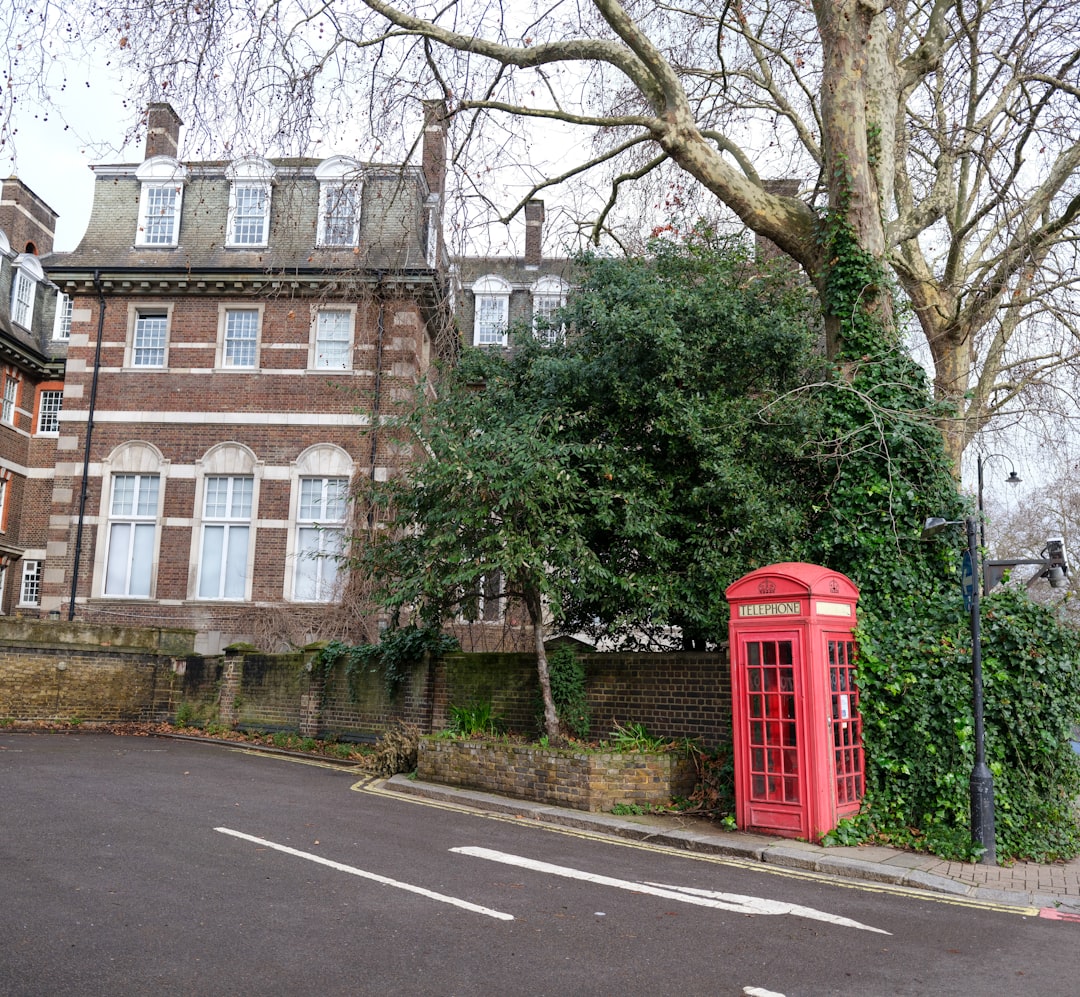
Victorian terraces and semis on the upper slopes of Crystal Palace were built from the 1870s through to 1910, many with views across south London. The drainage serving these properties is clay pipe infrastructure of the same era, now 115–150 years old and showing the full range of age and movement defects. The steep garden gradients mean longer drain runs with more joints.
Large Victorian villas on the broader streets of the Crystal Palace triangle and in Upper Norwood are substantial properties, many of which have been converted to flats. These conversions typically retain the original Victorian drainage — now serving four or six households — and have brick inspection chambers and original clay pipe runs that have not been materially changed since the 1880s.
Edwardian semis and terraces extend down the slopes to the north and south of the ridge into Penge, Anerley, and the Gipsy Hill area. These properties are slightly younger in drainage terms but share the same clay pipe materials and the same hillside geology.
Crystal Palace Park: Root Ingress from Historic Trees
Crystal Palace Park — the landscape created to host the relocated Crystal Palace exhibition building from 1854 — contains some of the largest and oldest trees in south London. The Victorian-era planting within the park includes mature plane trees, oaks, and specimen trees with root systems that extend well into the surrounding residential streets.
Properties on the streets immediately bordering the park are among the highest risk for root ingress in SE19. Tree roots follow moisture underground, and displaced clay pipe joints provide a reliable moisture source. Properties with Victorian clay drainage on streets bordering the park consistently show root ingress in surveys — in some cases, root masses that have been growing within the drain run for years.
Why Pre-Purchase Surveys Matter in Crystal Palace
Crystal Palace has seen sustained property price growth as buyers seeking period character and green space have been attracted to SE19. The combination of large Victorian villas, conversion flat stock, and characterful terraces drives a strong pre-purchase survey market.
Survey findings in Crystal Palace routinely include steep-gradient erosion, hillside ground movement effects on pipe alignment, root ingress from park and garden trees, and the shared drainage complexities of converted Victorian buildings. These findings provide direct leverage in property negotiations.
For CCTV drain surveys in Crystal Palace SE19, call our enquiry form at /contact/.
Property Types in Crystal Palace
- Victorian terraces and semis
- Edwardian terraces and semis
- Large Victorian villas
- Converted period flats
- 1930s semis
- Modern flats
Common Drainage Issues in Crystal Palace
- Steep hillside drain runs causing erosion and silt accumulation
- Root ingress from Crystal Palace Park and residential trees
- Joint displacement from clay ground movement on elevated ground
- Drainage complexity in converted Victorian villas
- High-velocity flow erosion in steep sections
- Backfall in sections disturbed by hillside ground movement
- Combined sewer capacity issues in older infrastructure
Frequently Asked Questions — Crystal Palace
Does Crystal Palace's elevated position create specific drainage challenges?
How does Crystal Palace Park affect drainage for nearby properties?
Victorian villas in Crystal Palace — are they at higher drainage risk than terraces?
Crystal Palace straddles several borough boundaries — which authority is responsible for my drainage?
Get a free survey quote today
Local engineers covering Crystal Palace. WRC-standard reports, no hidden fees.